

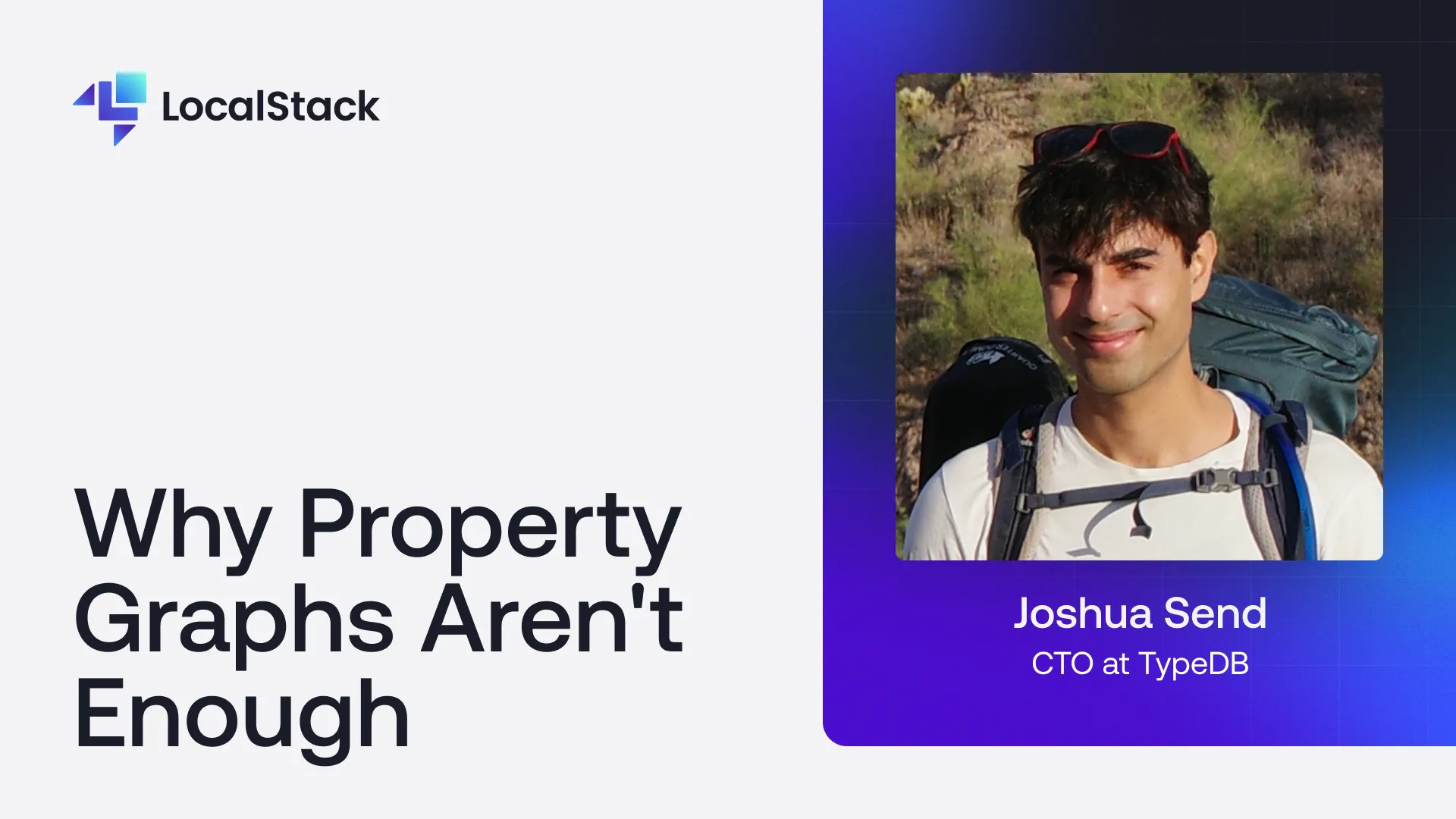
Are Property Graphs living up to the hype? Maybe the model itself is the problem. We made the move from relational databases to graph databases to escape "Join Pain" and model the real world more naturally — but for many engineering teams, that promise has curdled into something worse: the Spaghetti Graph. Complex queries. Ugly workarounds for multi-party relationships. Fragile schemas that shatter with every iteration and become a nightmare to maintain. The good news? The problem isn't your data. In this talk, Joshua Send breaks down why standard Labeled Property Graphs (LPGs) fall short when applied to complex domains — and introduces TypeDB, a strongly-typed database that brings together the connectivity of a graph with the integrity of a relational model. You'll come away understanding why LPGs struggle at scale and complexity, what "Spaghetti Graphs" are and how teams fall into the trap, how TypeDB's type system enforces data integrity without sacrificing flexibility, and when a strongly-typed graph database is the right tool for the job. Whether you're deep in a graph migration, evaluating database architectures, or just tired of schema chaos — this one's for you.
When it comes to productivity, developer experience is more than just a buzzword. Creating an intuitive developer experience could help you get more out of LocalStack by democratizing access, cutting out manual tasks, and making environments more easily interchangeable between LocalStack and AWS. On a day-to-day basis, this could mean fewer tickets, less time spent creating environments, and more time on the important work that your environments support. This demo session will show how LocalStack’s new integration with Quali Torque can accelerate deployment on both LocalStack and AWS by using generative AI to create reusable environment templates that can be deployed to LocalStack and AWS interchangeably in just a few clicks, providing a self-service catalog for your teams to find and provision environments quickly and easily without access to create or modify resource configurations, simplifying the deployment experience by eliminating complexity and security requirements to run environments on AWS, and tracking all activity to identify performance issues for LocalStack deployments and wasted cloud costs for AWS deployments proactively.
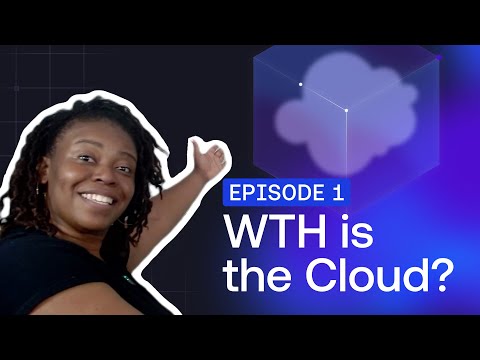
Most people think the cloud is just files floating in the sky. Spoiler: it's not. In this episode, I’m breaking down what “the cloud” really is, why everything you’ve been told is probably wrong, and why it's the engine behind everything from Netflix to AI to your online checkout. This is the kickoff to WTH is the Cloud?! a fun series that makes cloud technology make sense.
