

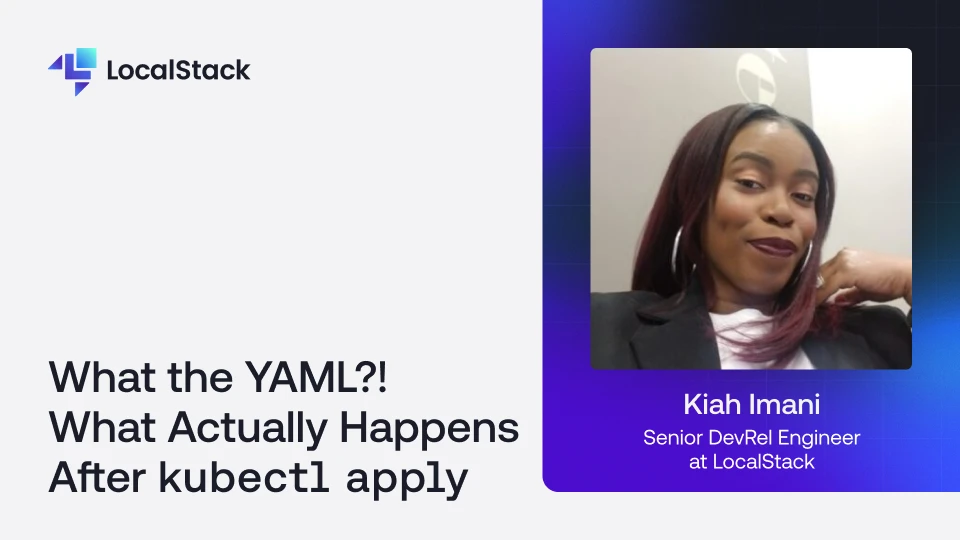
Developers are used to running kubectl apply and waiting on the magic to happen resulting in a running Kubernetes pod. But what actually happens between entering the command and the deployment being ready? What's the reality behind the "magic"? In this talk, Kiah will dissect all the stages of a Kubernetes deployment in a way that is easy to understand. She'll walk through that deployment happening locally on LocalStack to inspect what's really going on at each stage. At the end of this session, attendees will have a deeper understanding of the Kubernetes deployment process that can help debug many common issues and will gain an understanding of how LocalStack enables local testing of Kubernetes.
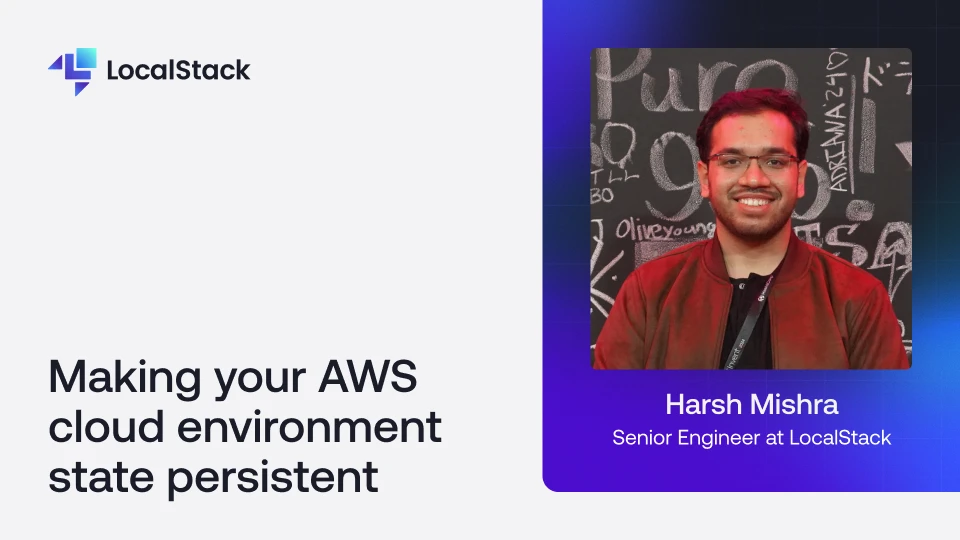
Recreating the unique state of a cloud app environment is notoriously complex, making it difficult to diagnose bugs, collaborate with teammates, or even just pick up where you left off. Join us as we deep dive into LocalStack’s powerful state management and persistence features, exploring how to maintain, snapshot, and seamlessly share your local cloud environments using core features like persistence, Cloud Pods, and state files. Learn how to restore a previous state, share preconfigured environments with colleagues for collaboration or onboarding, or restore preset services and data for functional tests in CI. We'll also showcase LocalStack's new Model Context Protocol (MCP) integration, revealing how AI can manage, inspect, and automate your local cloud state.
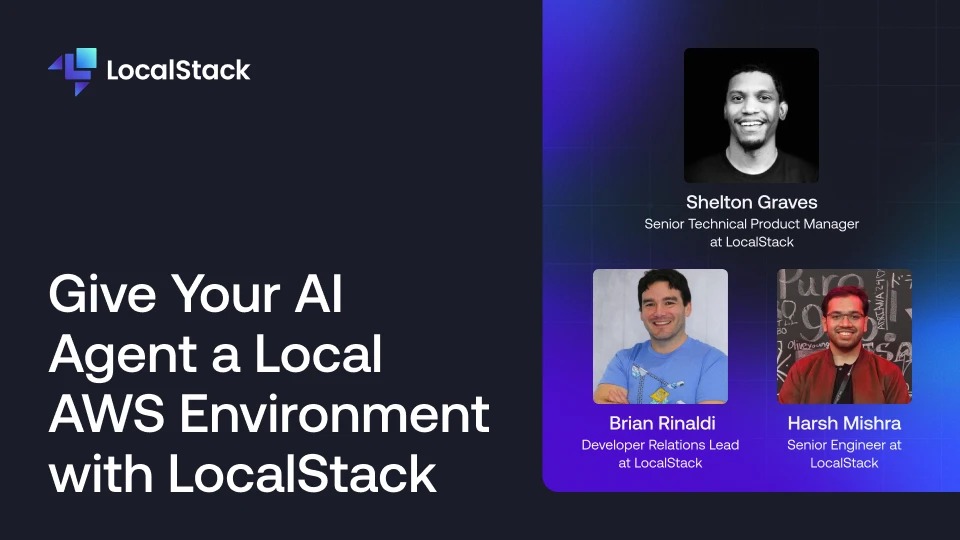
An agent will write you a CDK stack, a Terraform module, or a stack of IAM policies in seconds.
Whether any of it works is a separate question, and the usual way to find out is to deploy to a real AWS account and watch what breaks.
In an agentic workflow, that means giving AI access to a public cloud account, racking up costs on the AWS bill, and waiting for provisioning to complete every time you push new code to the environment.
