

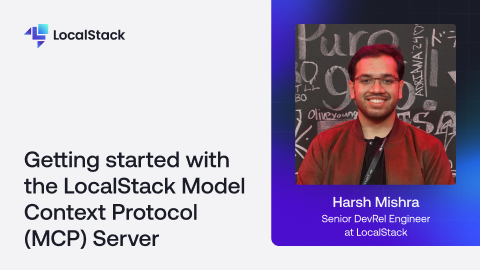
What if your AI coding assistant could not only write infrastructure code, but also deploy it, test it, and fix issues automatically — all on your local machine? That's exactly what the LocalStack MCP Server makes possible. In this session, we'll introduce the LocalStack Model Context Protocol (MCP) Server, a new tool that lets AI agents manage your entire local cloud development lifecycle through a conversational interface. You'll learn what MCP is and why it's a game-changer for AI-assisted development, how the LocalStack MCP Server turns manual cloud tasks into automated workflows, how to set up and configure the server with your favorite AI editor (Cursor, VS Code, etc.), and real-world demos: deploying CDK apps, analyzing logs, running chaos tests, managing state with Cloud Pods, and more. Through hands-on examples, we'll walk through a complete workflow where an AI agent deploys a serverless application, verifies resources, troubleshoots issues, and tests resilience, all without leaving the conversation. If you've ever wished your AI assistant could do more than just generate code, this talk will show you what's possible when agents can actually manage your local cloud environment.
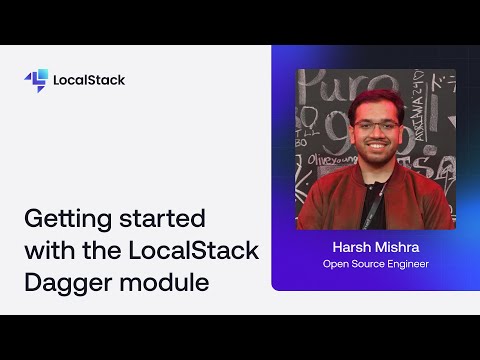
Looking to bring AWS emulation directly into your CI/CD pipelines? This hands-on session with Harsh Mishra shows you how to integrate LocalStack with Dagger to level up your development workflows. In this session, you'll learn how to run full AWS emulation locally inside Dagger pipelines, spin up LocalStack as a service using Dagger’s composable syntax, use Cloud Pods for persistent state across pipeline runs, and create ephemeral environments for fast, clean, isolated testing. Keep your cloud workflows repeatable, testable, and fast. Whether you’re building serverless apps, managing infrastructure-as-code, or optimizing your DevOps pipelines, this talk will help you bring LocalStack into the heart of your CI/CD setup.
LocalStack's Docker Extension allows developers to manage and run cloud applications locally within Docker Desktop efficiently. With a fully-integrated experience with features such as configuration profiles, container logs, and more, developers can now easily manage their LocalStack instance. In this video, Harsh from LocalStack discusses the LocalStack Docker Extension and how you can capitalize on an intuitive user experience to manage your LocalStack image, configuration profiles, and container logs directly within the Docker Desktop.
