Emulating AWS CI CD pipelines with LocalStack

Testing AWS CI/CD pipelines in the cloud can be slow, error-prone, and hard to debug, especially when you're wrestling with IAM permissions or waiting on long feedback cycles. This session walks through how you can now emulate complete DevOps workflows locally using LocalStack. We cover recent additions to LocalStack that support new service providers such as CodeBuild for running build processes across different runtimes directly on your machine, CodeDeploy for emulating deployment steps without touching the real infrastructure, and CodePipeline for creating and testing CI pipelines, transitions, and triggers locally. Through a live demo, we’ll walk through a working example of a CI/CD pipeline — building a Rust project, deploying it, and running the pipeline stages — all without leaving your laptop. This session is useful for developers building or debugging AWS-native CI/CD workflows and looking for faster, more controlled ways to test them.

Related Talks

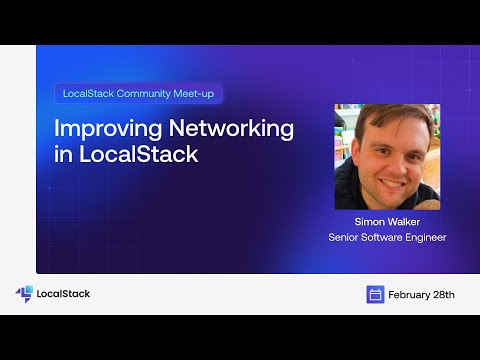
Improving Networking in LocalStack

Connecting your applications to LocalStack has not always been easy. In this video, Simon from the LocalStack team discusses how we streamlined the LocalStack networking experience. We discussed the challenges of connecting your applications to LocalStack and how we're simplifying the LocalStack networking experience. Simon also discussed about configurations required for more complex networking setups, and some common networking scenarios, with example configuration for achieving connectivity.
Learn More
Learn More
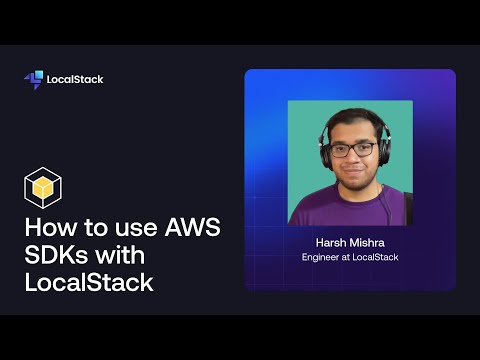
How to use AWS SDKs with LocalStack

LocalStack integrates with official AWS Software Development Kits (SDKs) so you can connect to LocalStack services using the same application code you use for AWS services. This lets you develop and test your applications locally without connecting to the cloud. In this video, we will talk about how you can connect to LocalStack emulated services using AWS SDKs.

Learn More
Learn More
How to save state in LocalStack?

LocalStack is ephemeral, so when you stop and restart it, all data is lost. You can use certain features to save the state & load it back when you restart LocalStack. This includes saving the local state for S3 buckets, DynamoDB tables, RDS databases and more. In this video, we explore three mechanisms that allow you to save state in LocalStack: persistence, state export and import, and Cloud Pods.

Learn More
Learn More

Launch yourself in the world of local cloud development

Try for free
Try for free
Talk to Sales
Talk to Sales