Creating self-healing software systems via effective usage of telemetry data and AI agents

Modern software systems operate in complex, dynamic environments where failures are inevitable. Traditional monitoring and manual incident response are no longer sufficient to ensure resilience or customer satisfaction. This talk explores how to design and implement self-healing software systems by combining telemetry data with an AI-driven agentic approach. We’ll start by examining how high-quality telemetry forms the foundation for detecting anomalies and predicting failures. Next, we’ll show how modern GenAI (LLMs) can transform this telemetry into actionable insights for AI agents that interpret data, pinpoint root causes, and apply automated fixes. Through a practical, real-world example, you’ll see how telemetry and AI work together to create adaptive feedback loops that continuously improve system reliability, while freeing engineers from repetitive operational tasks.

Related Talks

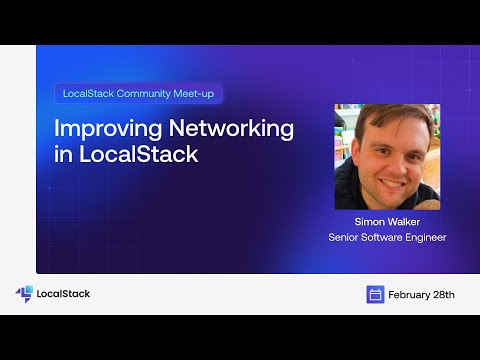
Improving Networking in LocalStack

Connecting your applications to LocalStack has not always been easy. In this video, Simon from the LocalStack team discusses how we streamlined the LocalStack networking experience. We discussed the challenges of connecting your applications to LocalStack and how we're simplifying the LocalStack networking experience. Simon also discussed about configurations required for more complex networking setups, and some common networking scenarios, with example configuration for achieving connectivity.
Learn More
Learn More
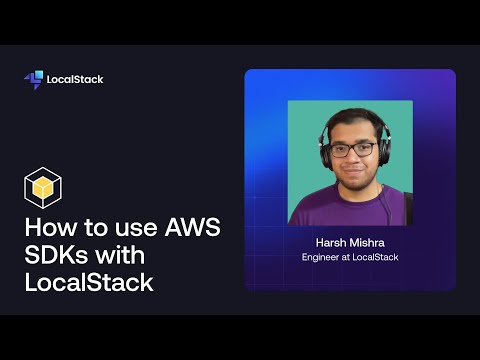
How to use AWS SDKs with LocalStack

LocalStack integrates with official AWS Software Development Kits (SDKs) so you can connect to LocalStack services using the same application code you use for AWS services. This lets you develop and test your applications locally without connecting to the cloud. In this video, we will talk about how you can connect to LocalStack emulated services using AWS SDKs.

Learn More
Learn More
How to save state in LocalStack?

LocalStack is ephemeral, so when you stop and restart it, all data is lost. You can use certain features to save the state & load it back when you restart LocalStack. This includes saving the local state for S3 buckets, DynamoDB tables, RDS databases and more. In this video, we explore three mechanisms that allow you to save state in LocalStack: persistence, state export and import, and Cloud Pods.

Learn More
Learn More

Launch yourself in the world of local cloud development

Try for free
Try for free
Talk to Sales
Talk to Sales